TrolleyShield · Discovery
Every inquiry that arrives gets read and classified by intent before it reaches your pipeline or your ad platform. Real prospects, spam, bots, job seekers and people asking about things you do not sell, separated as they come in.
The problem
Google Ads optimizes toward whatever you tell it is a conversion. If every form fill counts, it learns to find more of whatever fills forms: bots, job seekers, people who misread what you do. The budget follows, and the account gets more efficient at producing leads you did not want.
That is not a targeting problem you can fix with better keywords. It is a feedback problem, and it compounds quietly for as long as the data going back is wrong.
What it finds
Every inquiry is classified by what it is, with a confidence score and the reasoning in plain English. Not a black-box spam score: a statement of what it thinks this is and why, which you can check, override and correct.
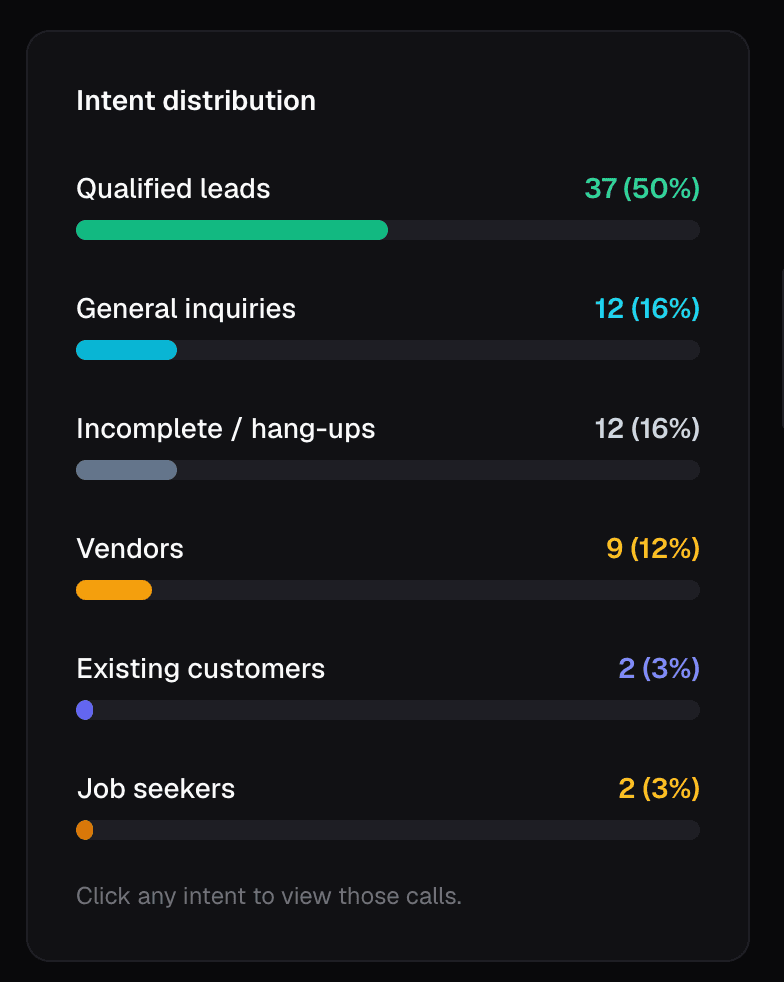
This is a month of calls on one account. Half were qualified leads. The other half were vendors, job seekers and hang-ups — and every one of them felt like demand when the phone rang.
What it changes
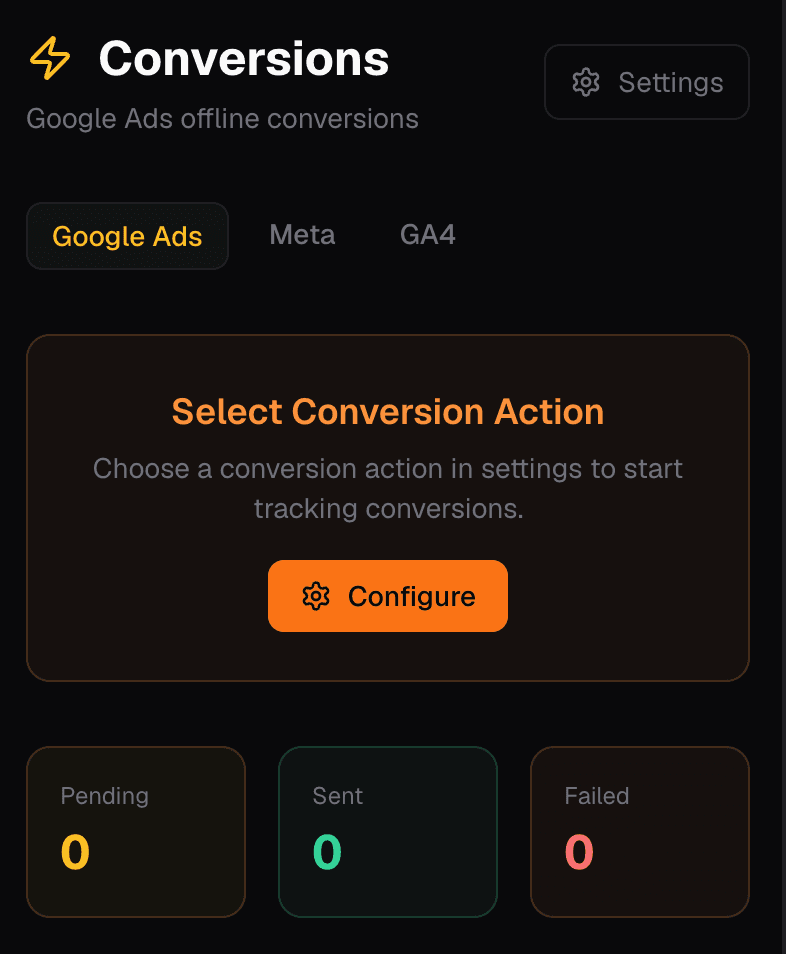
Qualified leads are sent to Google Ads, Meta and GA4 as offline conversions. The rest are recorded for you and withheld from the platforms, so bidding optimizes toward buyers instead of volume.
Here's the proof
They were spending $7,320 a month on Google Ads, and every form submission counted as a win. Bots, job seekers and people asking about services they do not offer were all teaching the algorithm what to chase. We read every submission, found the ones that were real, and pointed the budget at those.
65%
Lower monthly spend, $7,320 to $2,530
9% → 60%
Paid click quality, peaking at 100%
50%
Less sales time wasted on junk leads
What you get
Form protection
Call tracking
Conversion export
We use it too
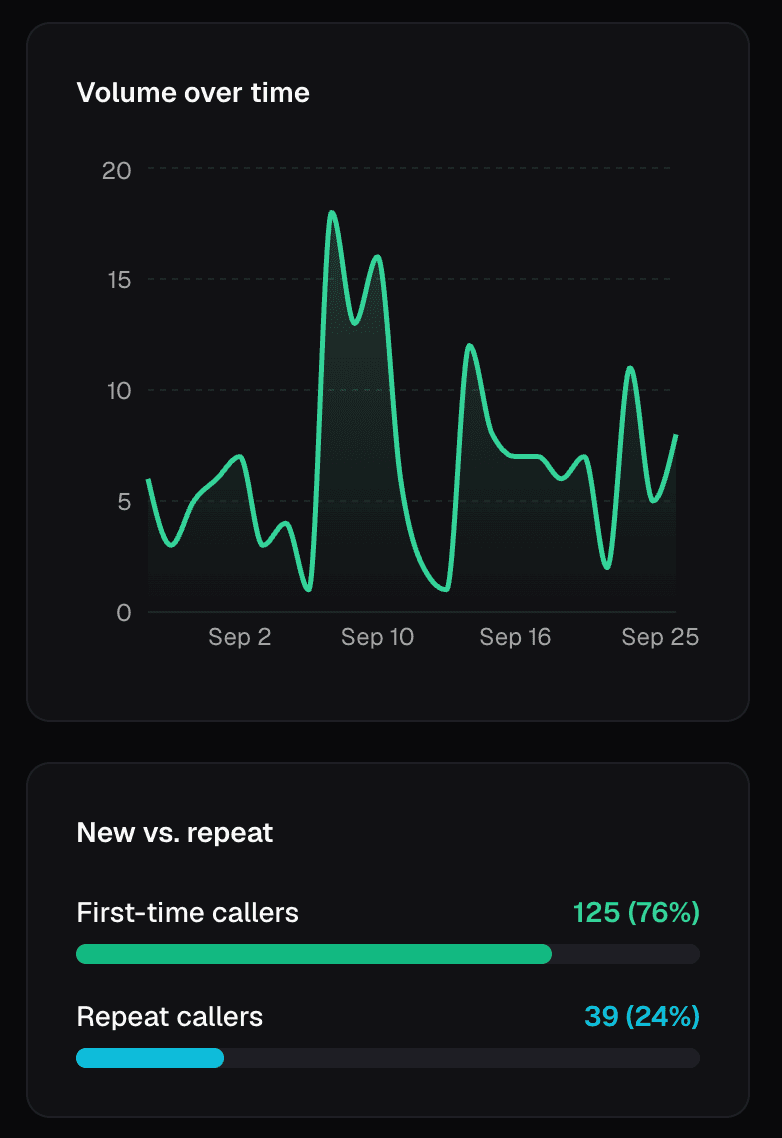
Every request for a strategy call is analyzed by TrolleyShield before it reaches us, and what happens next depends on what it says. We are not describing a product we built for other people.
Questions we get
No engagement required. Plenty of people use one and never speak to us about anything else.
